
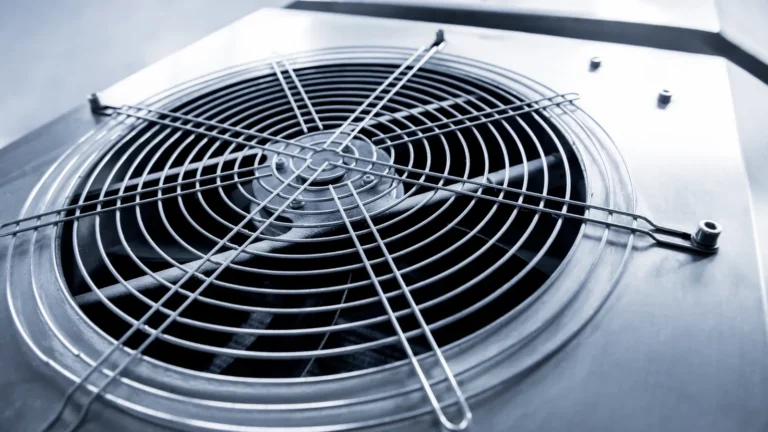
Why Energy-Efficient Commercial HVAC Sacramento Matters for Facility Managers & Government
In the heart of California’s capital, facility managers, contractors, building owners, and government operators face increasing pressure to reduce energy costs while meeting rigorous environmental standards. One of the most effective ways to achieve both goals is through energy-efficient commercial HVAC upgrades in Sacramento. This guide explores advanced strategies to modernize your HVAC infrastructure, reduce operational expenses, and contribute to sustainability efforts—all while leveraging Iron Mechanical’s expertise in the region.
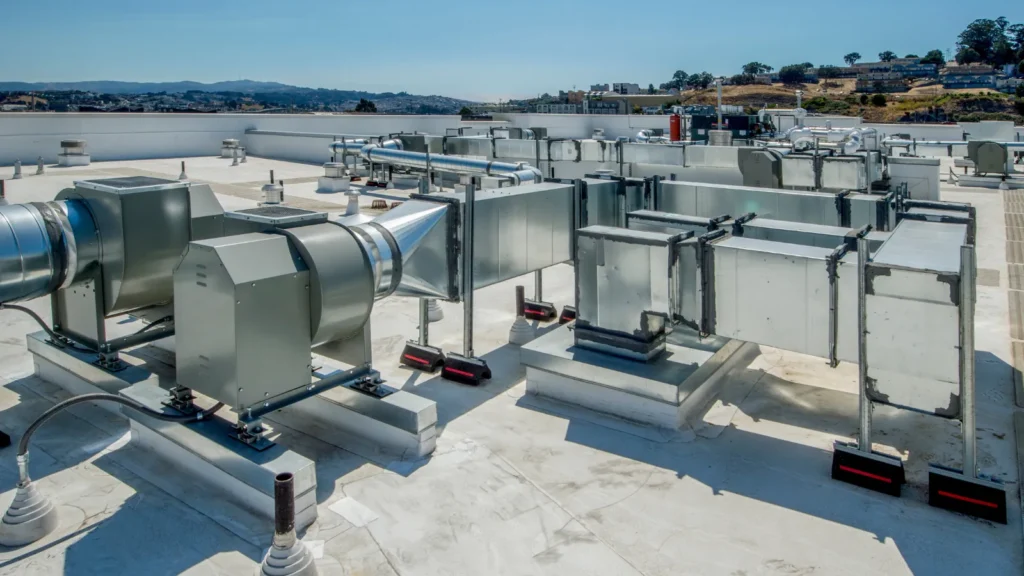
Why Energy-Efficient HVAC Systems Matter in Sacramento
Sacramento experiences wide seasonal temperature swings, pushing HVAC systems into heavy year-round use. Older commercial systems often underperform, consuming more electricity and requiring frequent maintenance. Energy-efficient upgrades provide measurable improvements in:
- Reduced utility bills
- Regulatory compliance (Title 24, ASHRAE 90.1)
- Employee comfort and productivity
- Equipment longevity
Environmental performance
According to the U.S. Department of Energy, commercial buildings that upgrade to energy-efficient HVAC systems can cut energy consumption by 20–40%, depending on the system and maintenance program.
Top Upgrade Strategies for Commercial HVAC Systems
1. Install Variable Refrigerant Flow (VRF) Systems
VRF technology allows individualized zone control, meaning different areas of a building can be cooled or heated to specific temperatures. This results in higher comfort levels and lower energy waste.
ASHRAE Journal reports that VRF systems can improve energy efficiency by 30% in multi-zone facilities.
2. Use High-SEER Units and Inverter Compressors
Replacing aging units with SEER 16+ or SEER2-rated models ensures optimized energy use, especially during Sacramento’s intense summer heat.
3. Add Economizers and Energy Recovery Ventilators (ERVs)
These technologies harness outdoor air and exhaust energy to reduce the need for mechanical heating/cooling—ideal for large buildings with high ventilation demands.
4. Integrate Smart Thermostats and Controls
IoT-based smart thermostats provide real-time monitoring and scheduling, ensuring HVAC systems operate only when needed.
Case Study: Energy-Efficient Retrofit for Kimpton Sawyer Hotel
When the luxury Kimpton Sawyer Hotel in Sacramento sought an HVAC solution to reduce costs without compromising guest comfort, they turned to Iron Mechanical’s Special Projects team. We deployed a VRF system integrated with demand-controlled ventilation (DCV), significantly reducing their cooling load.
Result:
- 27% reduction in HVAC-related energy use
- Improved temperature consistency across floors
- Title 24 compliance with documentation support
This project illustrates how tailored system upgrades deliver long-term energy, cost, and compliance benefits.
Performance Benchmarks and Compliance Considerations
Sacramento is governed by California’s Building Energy Efficiency Standards (Title 24), which impose strict regulations on mechanical systems in new and existing structures. HVAC upgrades must now meet or exceed ASHRAE 90.1 requirements.
Key benchmarks include:
- Minimum EER (Energy Efficiency Ratio)
- SEER2 ratings for split systems
- Airflow management verification
- Refrigerant monitoring
Iron Mechanical’s licensed professionals ensure every retrofit is code-compliant, properly commissioned, and documented for inspection.
Service Support and Long-Term Efficiency Gains
Upgrades are only part of the equation. To maintain peak performance, HVAC systems must be professionally serviced. Iron Mechanical offers full-service HVAC support through our Service Department.
Our services include:
- Preventive maintenance programs
- Seasonal inspections
- Digital performance monitoring
- 24/7 emergency response
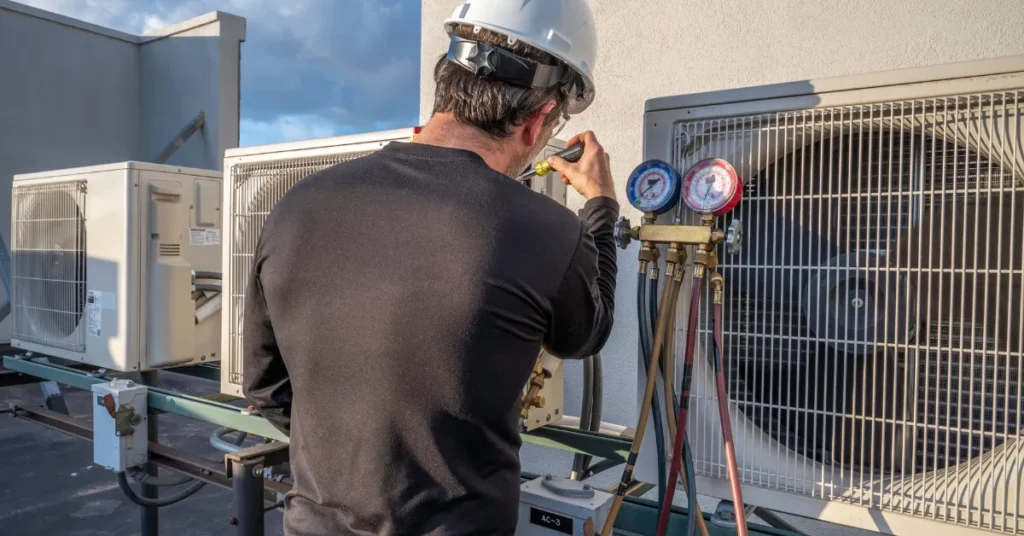
Frequently Asked Questions (FAQ)
Q1: What does “energy-efficient commercial HVAC Sacramento” mean?
A1: It refers to systems in Sacramento that are designed to reduce energy usage while maintaining indoor comfort in commercial buildings. These systems use advanced technologies like VRF, high-SEER compressors, and demand-controlled ventilation.
Q2: What’s the ROI of upgrading to an energy-efficient HVAC system?
A2: Depending on the system and usage, most upgrades achieve ROI within 3 to 5 years, especially when maintenance is included.
Q3: Are there specific energy-efficiency codes in Sacramento?
A3: Yes. California enforces Title 24 and ASHRAE 90.1 standards, which mandate energy-efficient system components and proper documentation.
Q4: Does Iron Mechanical handle retrofits in existing buildings?
A4: Absolutely. Our Special Projects team specializes in tenant improvements and HVAC retrofits tailored for active commercial buildings.
Q5: Can HVAC upgrades help qualify for LEED or green certifications?
A5: Yes. Efficient HVAC systems contribute points toward LEED, WELL, and other sustainability certifications.
Q6: How often should an energy-efficient HVAC system be serviced?
A6: At least twice per year—typically in spring and fall—for optimal performance and warranty compliance.
Partner with Sacramento’s HVAC Efficiency Experts
Iron Mechanical brings decades of experience delivering high-performance mechanical systems across California. Our approach to energy-efficient commercial HVAC in Sacramento combines advanced engineering, expert execution, and full-service support.
Whether you’re managing a government facility, a commercial property, or a private-sector development, we tailor solutions to your unique needs.
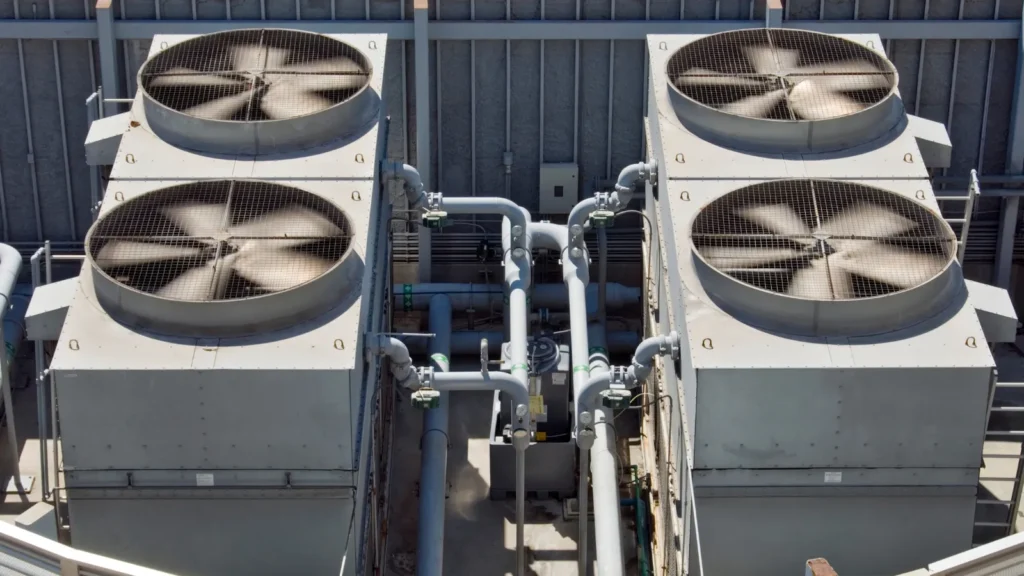
Ready to upgrade your commercial HVAC system in Sacramento?
Contact Iron Mechanical today to schedule a consultation and discover how energy-efficient upgrades can reduce your costs and carbon footprint. Our team is here to help from design through post-installation maintenance.